


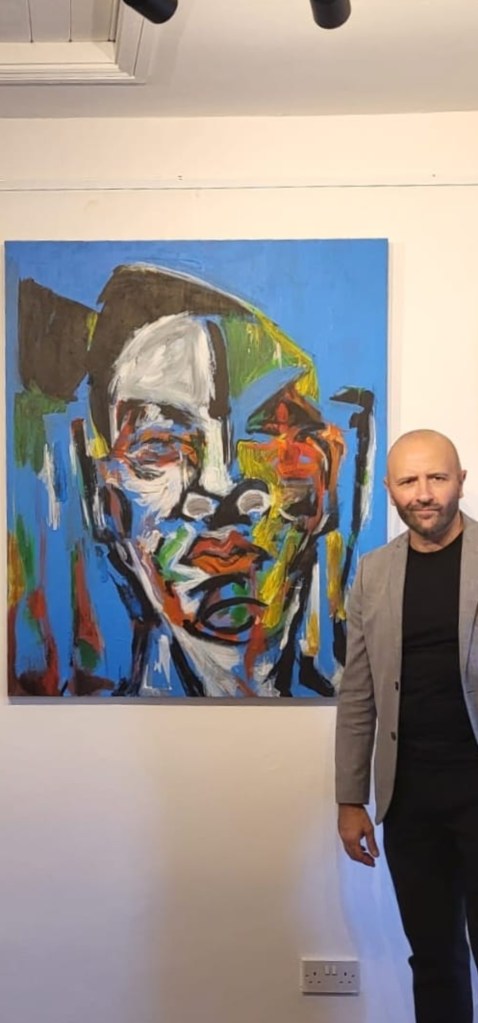





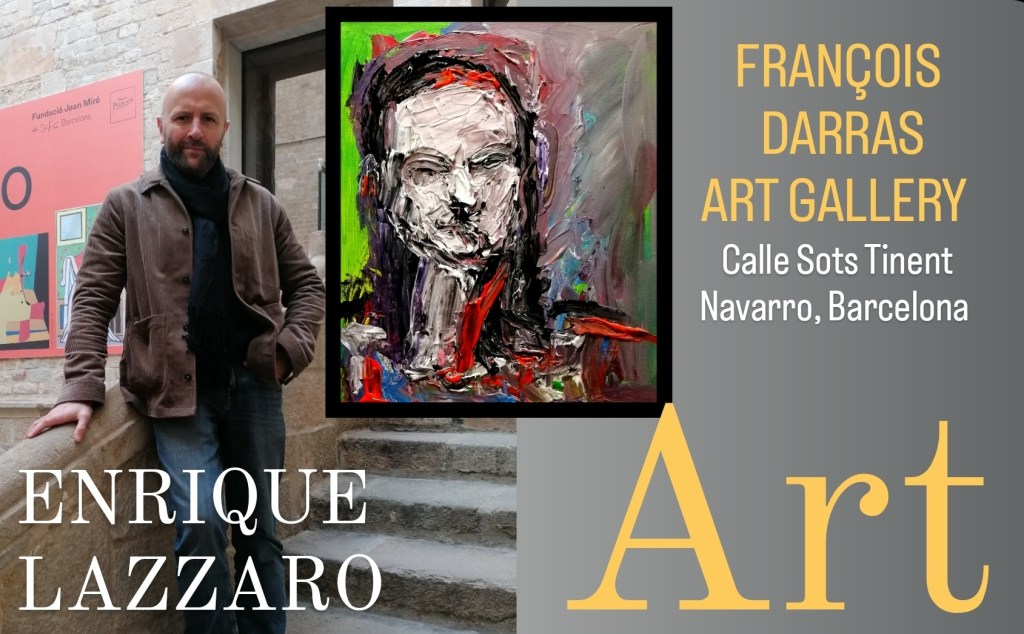


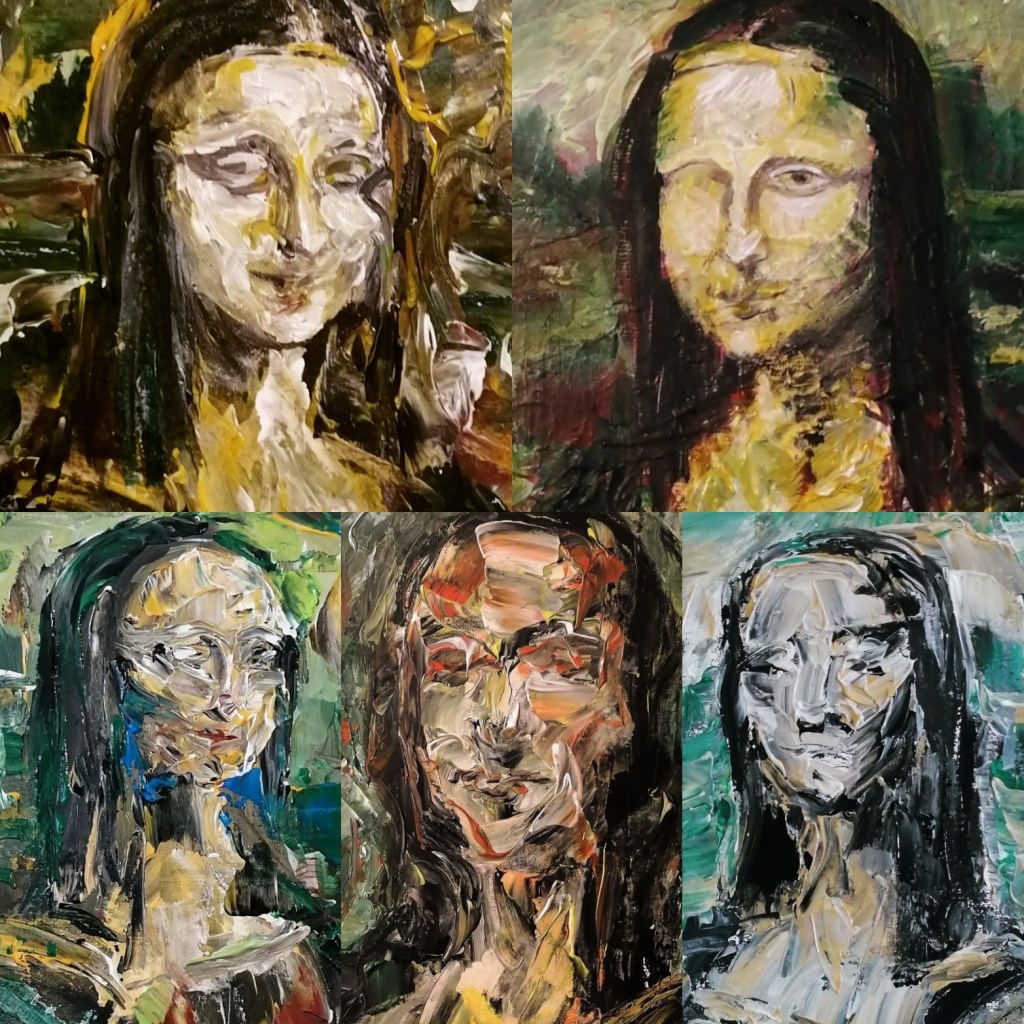
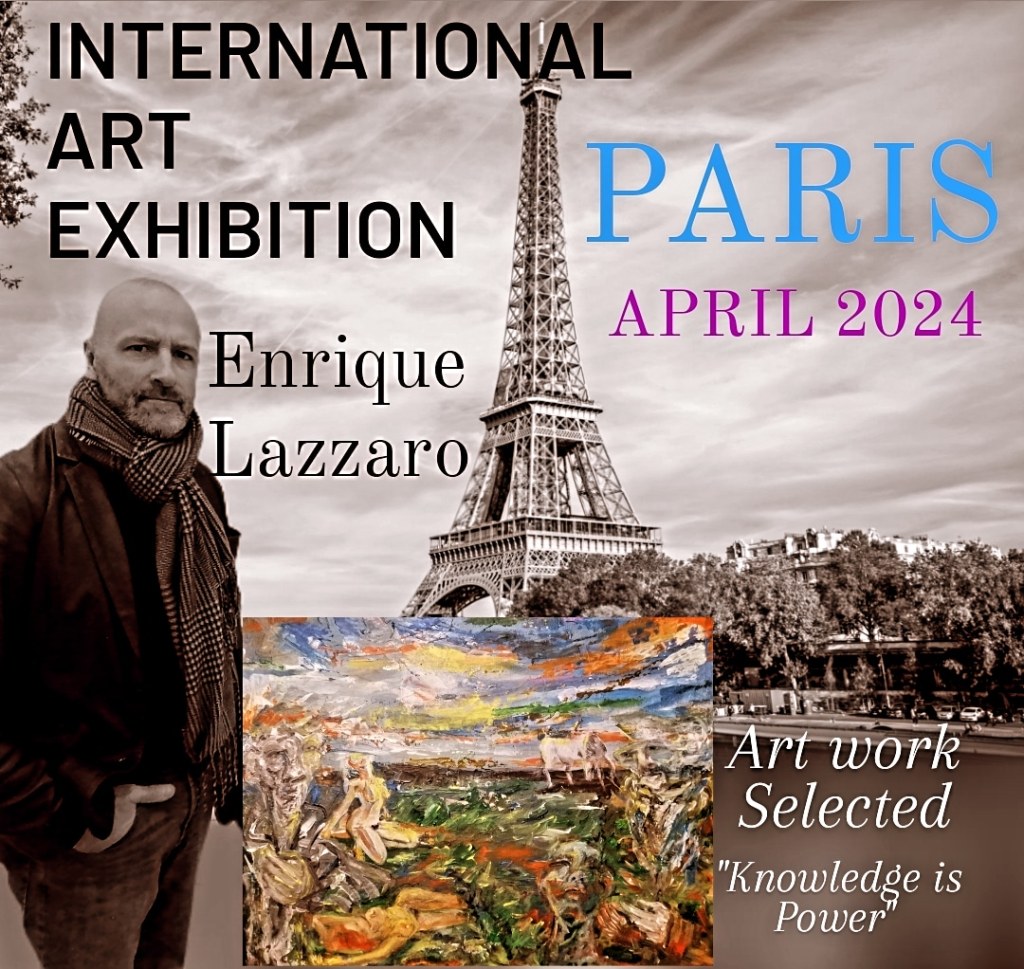
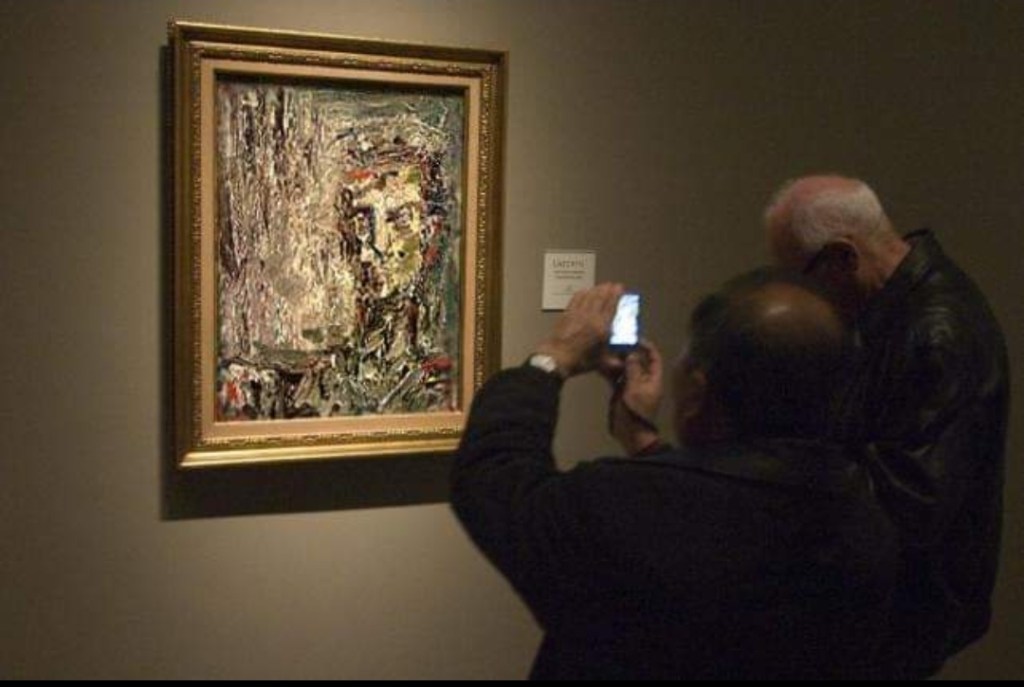


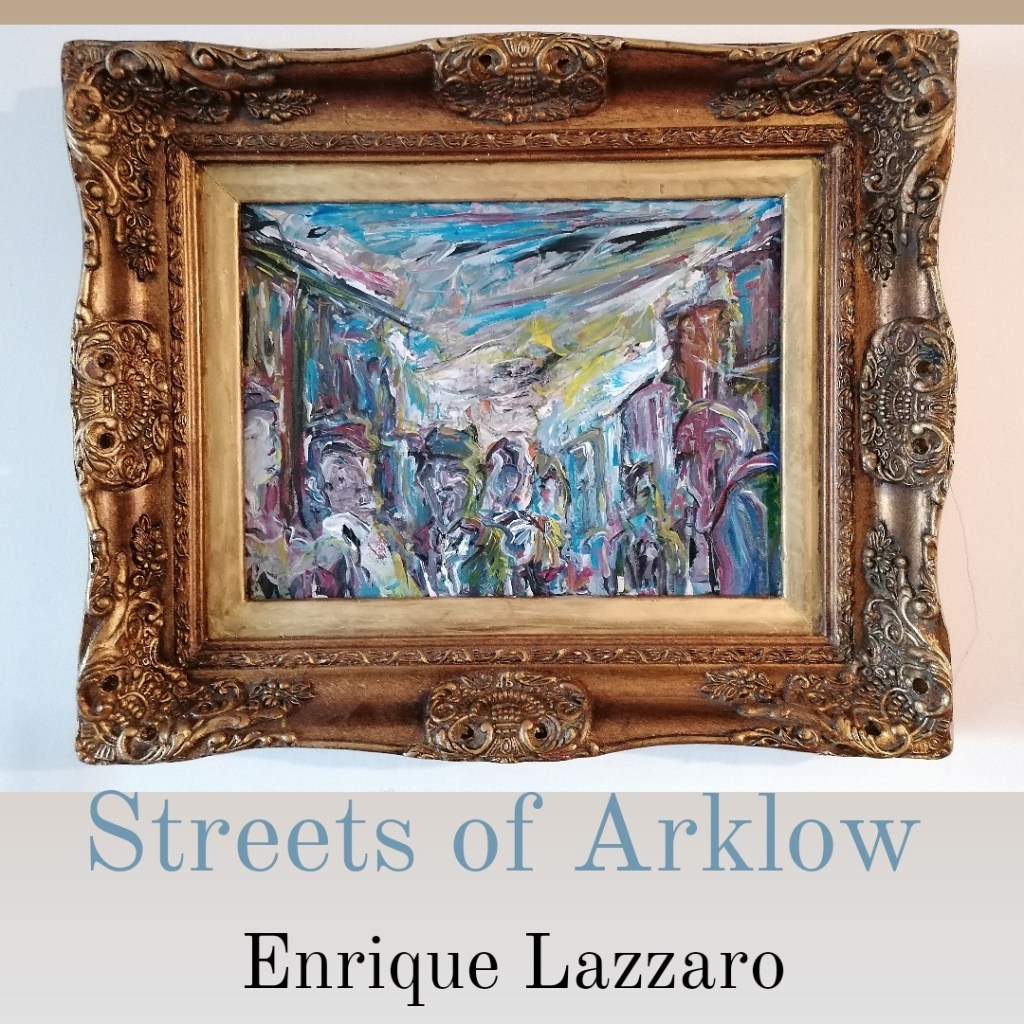
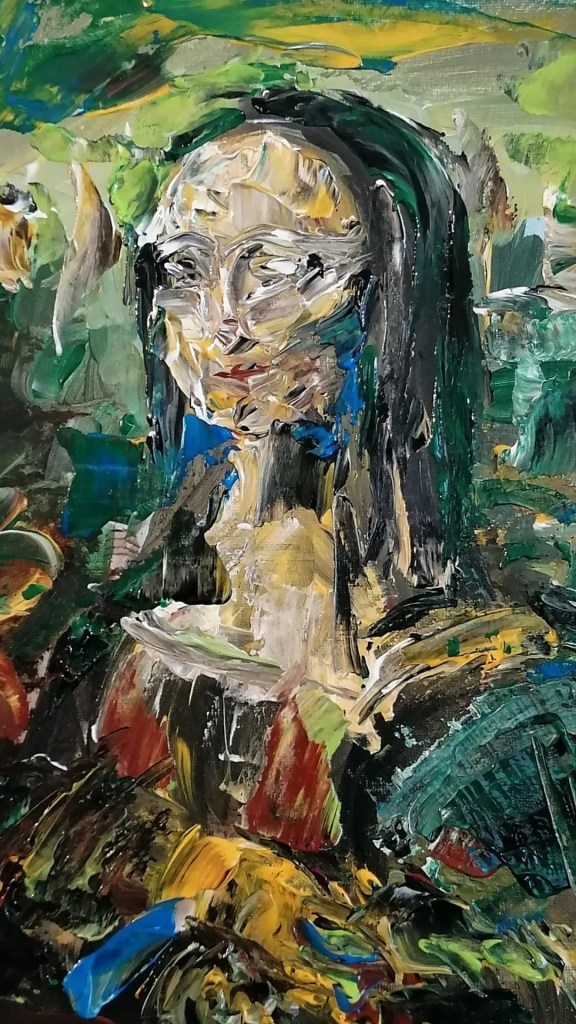
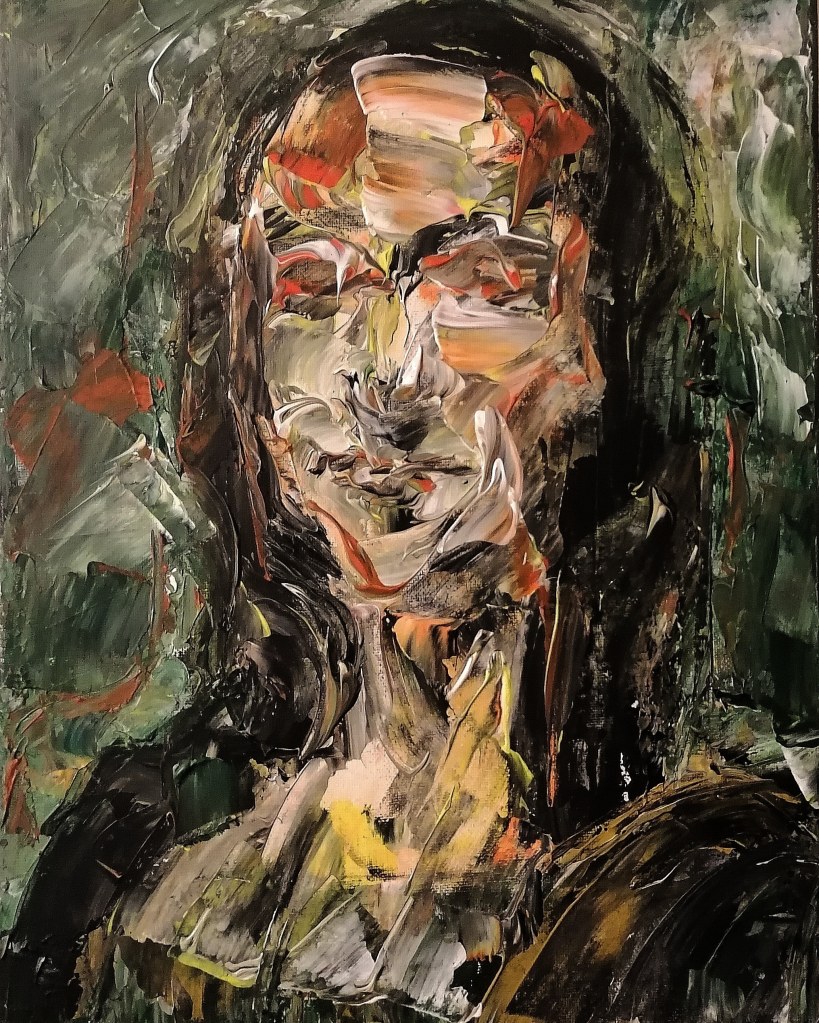

The Enrique Lazzaro Twist: Redefining the Art Collector in the Age of AI
The traditional art world has long been defined by its exclusivity. For decades, the industry has revolved around massive art fairs and high-end exhibitions designed to attract a handful of wealthy collectors. In these high-pressure environments, artists pay exorbitant fees to exhibit for a mere two or three days, often finding themselves lost in an ocean of talent where thousands of pieces compete for a sliver of attention. This overwhelming situation serves the “snobby” few but leaves the majority of artists struggling to sustain a career.
Enrique Lazzaro proposes a radical “twist” to this model: a democratization of art that shifts the focus from elite speculation to community-driven patronage. By educating the public and leveraging the ego-less power of Artificial Intelligence, Lazzaro envisions a future where becoming an art collector is an accessible, transparent, and deeply meaningful pursuit for everyone.
Art as an Asset for All: Beyond Decoration
The core of this vision is to redefine the “collector” not by the size of their bank account, but by the depth of their engagement. This shift rests on two pillars:
- From Decoration to History: Instead of buying a piece simply to match a sofa, Lazzaro encourages art lovers to become patrons of an artist’s journey. Buying a work becomes an investment in a person’s career and a contribution to “artist’s history.” The collector is no longer just a consumer; they are a vital character in the artist’s narrative.
- Art as a Tangible Asset: By educating common people that art is a legitimate asset—both emotionally and potentially financially—the market expands beyond the elite. This creates a broader “middle class” of collectors that can sustain a much larger and more diverse population of artists.
The Role of AI in Democratization
In this new paradigm, technology acts as the great equalizer. Historically, “insider knowledge” regarding an artist’s background and market value was a guarded secret held by a small circle of critics and gallerists. AI shatters these walls.
- Radical Transparency: AI allows any art lover to instantly research an artist’s inspirations, trajectory, and technical background. It provides a direct connection that removes the intimidation factor of the “white cube” gallery.
- Unbiased Access: Because information is now accessible, the barrier to entry drops. Collectors can make informed, soulful decisions based on resonance and data rather than just a dealer’s biased recommendation.
The Ego-Less Guide
Perhaps the most transformative aspect of AI in the art world is its total lack of ego. In the traditional hierarchy, information is often filtered through human intermediaries who may have personal biases, professional jealousies, or a vested interest in keeping certain artists “exclusive.”
AI, by contrast, operates with complete neutrality:
- No Jealousy: AI doesn’t feel threatened by an artist’s sudden rise to fame. It doesn’t care about “clout” or being the smartest person in the room; its only function is to provide the most accurate data available.
- Fearless Inquiry: For the new collector, AI is a safe space. One can ask “basic” questions without feeling judged by a gallery assistant. This encourages art lovers to learn deeply and authentically, fostering a genuine connection to the work.
A Future of Resilience
If the art world remains a playground for the wealthy, it risks becoming a monoculture where only the well-connected survive. Lazzaro’s approach suggests that if thousands of “common” art lovers support emerging and established artists, the industry becomes resilient.
By removing the “human ego” from the research phase and prioritizing specialist protections for the collector’s journey, the power shifts from a few curators-gallerists to a global community. In this future, success for an artist isn’t just about a “big break” at a three-day fair; it’s about building a lifetime of support from people who see themselves as custodians of culture. This change ensures that the inspiration of the future is chosen by the many, not the few.

 AMBERBYS
Leave a comment